
Reference from Spectrumnews1 (https://spectrumnews1.com/ky/louisville/news/2026/08/01/west-louisville-residents-help-shape-solutions-for-food-access)
LOUISVILLE, Ky. — Healthcare professionals, University of Louisville researchers and community members gathered Saturday to discuss ways to improve food access in Louisville’s West End as more families across Kentuckiana seek help putting meals on the table.
The event included forums, cooking demonstrations and conversations about practical ways to expand food access and improve overall well-being in West Louisville. Participants discussed the challenges families face and worked with UofL researchers on possible solutions.
Earlier this week, Dare to Care said it is serving more families than ever before. Feeding America estimates more than 200,000 people across Kentuckiana rely on food assistance services.
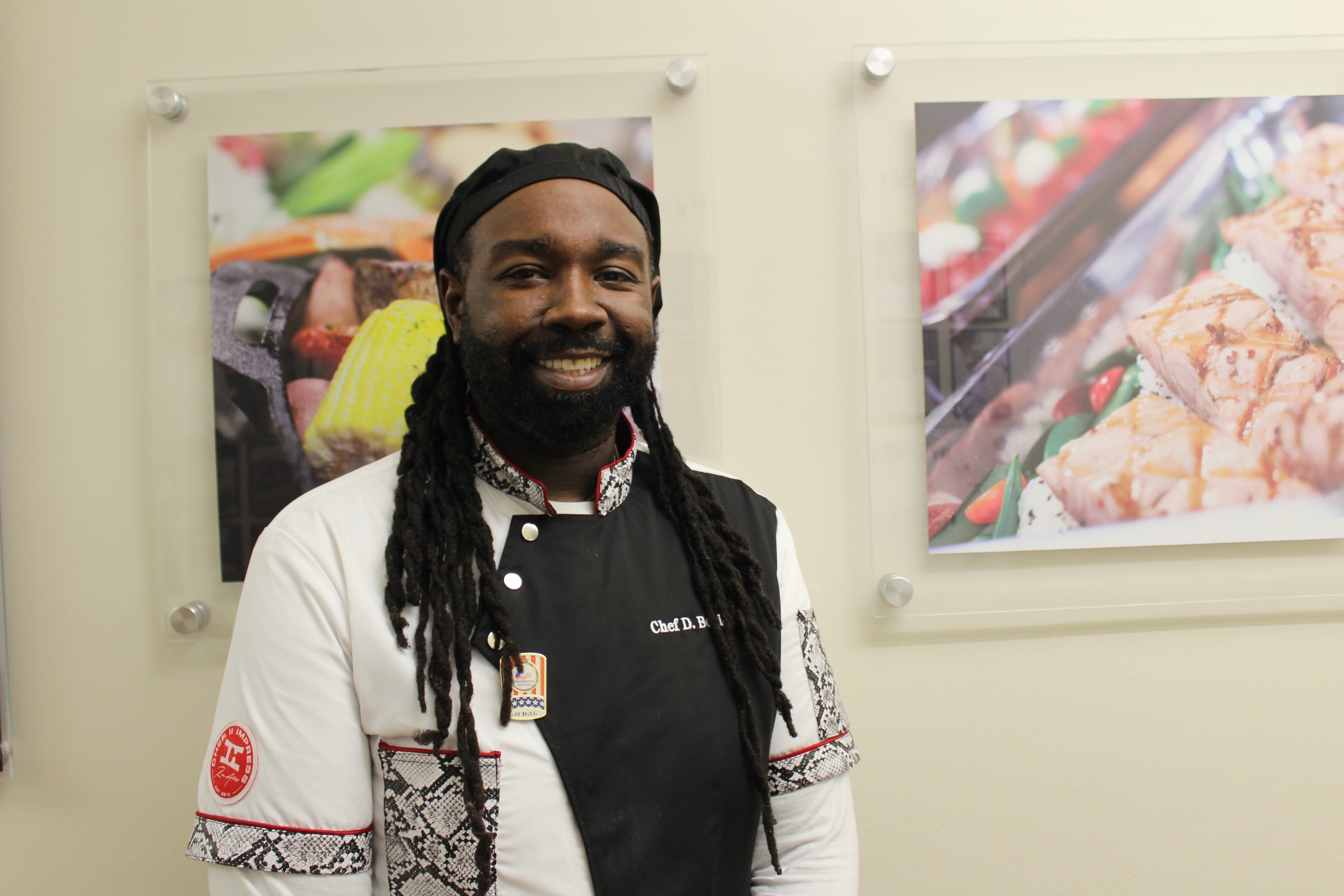
Davonte Bolden, a chef, was among the experts sharing ways to introduce residents to healthier foods they may not have tried before.
“We had miso tofu, miso broccoli, and people enjoyed it,” Bolden said. “But that was a lot of people's first time ever having miso, ever having tofu.”
LaCreis Kidd, an associate professor of pharmacology and toxicology at the University of Louisville, said community input is critical to addressing food access.
“I often say in 100 years, with all of my knowledge and all my degrees, I would never think about some of the ideas that community members come up with,” Kidd said.
Kelli Bullard Dunn, vice dean of community engagement at the University of Louisville School of Medicine, said many food access challenges in West Louisville are similar to those in rural communities.
“Many of the challenges that we see in our urban core in West Louisville are actually very similar to what we see in rural communities in terms of food deserts,” Bullard Dunn said.
Community members wrote down resources they see in other parts of the city and what they want brought to the West End.
“We have one grocery store in West Louisville, and it's not really a productive grocery store,” Bolden said.
Temi Haastrup, a UofL medical student, said identifying an area as a food desert is only part of the work.
“It's one thing to label a community as a food desert, but it's another thing to kind of experience it firsthand and then address those specific needs based off of what the community looks like,” Haastrup said.
Those conversations are also helping shape a new cookbook. Along with medical student, Grace Hong, Haastrup is working with residents to take family recipes and make them healthier without losing the culture behind them.
“The essence of it is that we want you to eat healthy, but we also want you to be able to feel like you can still represent your culture if you're eating,” Haastrup said.
Dare to Care said the increased need is due in part to rising food prices and the cost of everyday essentials. With changes to SNAP at the federal level, the organization expects more families to need support in the future.

Stay connected—get the latest on our youth culinary classes, events, and opportunities to help.
© 2026 Cultured Mornings. All Rights Reserved.